Nanda Devi Raj Jat Yatra Uttarakhand 2026 – History, Route & Essential Tips
Kajal, 4 months ago, 7 min read, 458 Views
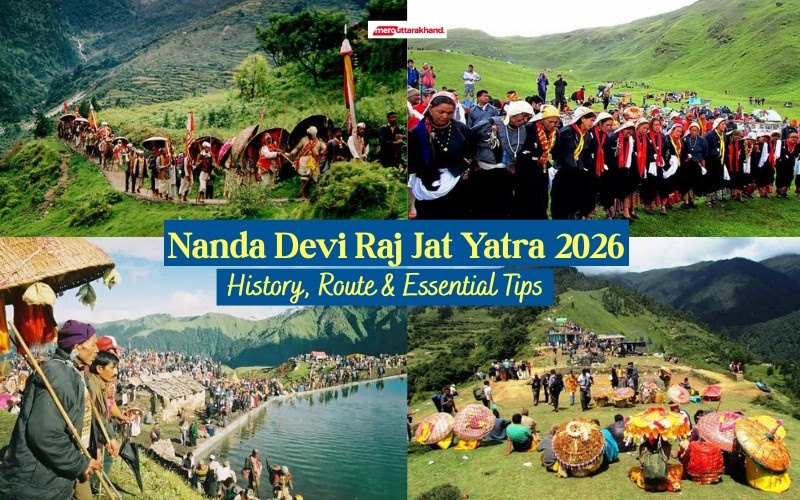
Introduction to Nanda Devi Raj Jat Yatra
The Nanda Devi Raj Jat Yatra is a revered 12-year pilgrimage in Uttarakhand, India, dedicated to Goddess Nanda Devi, an incarnation of Parvati and consort of Lord Shiva. It reenacts her symbolic journey from her maternal home in the Garhwal Himalayas to her in-laws’ abode on Mount Kailash, blending deep spirituality, cultural traditions, adventure, and community unity. Spanning about 280 km over 19-22 days, it is considered Asia’s longest and largest religious procession, attracting thousands of devotees, pilgrims, and tourists from India and abroad. The event transforms into a grand cultural festival with folk dances, rituals, and processions, fostering bonds between the Garhwal and Kumaon regions.
History of Nanda Devi Raj Jat Yatra
The yatra traces its origins to the 7th century, initiated by Garhwal King Shalipal in Chamoli Garhwal from a small hamlet, and was later expanded into a grander event by King Kanakpal in the 9th century. The royal lineage of the Kansua (Kansua ka Kunwar) and Nautiyals from Nauti village served as royal priests and advisors, with Barathogi-Baman (including Nautiyals) and twelve chiefs (Thokdar) from neighboring villages managing the proceedings. Over time, clans from Rawat and Negi communities joined, evolving it into a widespread tradition.
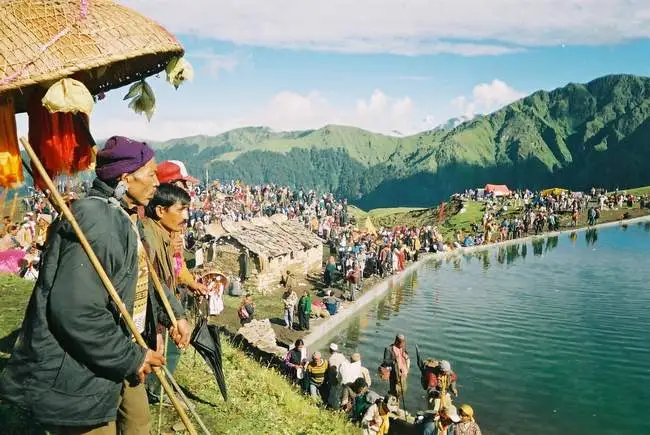
In Kumaon, worship of Nanda Devi developed under the Chand dynasty into a fair; initially with one idol, it later included two idols for Nanda and her sister Sunanda during King Baj Bahadur Chand’s reign, inspired by their shared divine birth. In the Johar Valley of Pithoragarh, while no full Raj Jaat occurs, rituals involve dancing and collecting Bramhakamal flowers (Kaul Kamphu). Annual smaller jaats happen in Pindar and Lohar villages, with gatherings at places like Danadhar, Suring, Milam, and Martoli.
Historical records show organized events since 1843, with past yatras in 1863, 1886, 1905, 1925, 1951, 1968, 1987, 2000, and 2014 (postponed from 2013 due to flash floods). In 2000, after Uttarakhand’s formation, Almora’s Nanda participated after 90 years, incorporating Kumaon deities and a modified route to include Nandakesari. The 16th-century Garhwal kings formalized its organization, tying it to astrological alignments and the mythological belief that one day in Satyug equals a year in Kaliyug, explaining the 12-year cycle.
Significance
This yatra symbolizes Goddess Nanda Devi’s farewell (vidaayi) from her maternal home in Nauti to Lord Shiva’s abode in Kailash, representing divine union, regional identity, and shared Himalayan heritage across Garhwal, Kumaon, Himachal, and even Nepal. It is a once-in-a-lifetime spiritual odyssey that unites communities, preserves ancient customs, and offers blessings for safety, success, and prosperity. For locals, it embodies emotional devotion and cultural pride, while for visitors, it highlights the Himalayan landscape’s beauty amid living traditions. The event integrates Kumaon deities for broader unity and is promoted as a global cultural festival, showcasing Uttarakhand’s folklore, arts, and spirituality.
Dates and Frequency
- Total duration: Around 19 to 22 days.
- Altitude: Some stretches go beyond 5,000 meters.
- Trek type: Difficult — requires strong fitness and prior trekking experience.
- Total distance: ~280 km through rugged terrain, glaciers, and high mountain passes.
Route and Itinerary
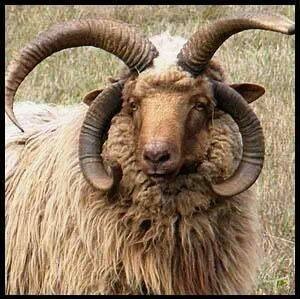
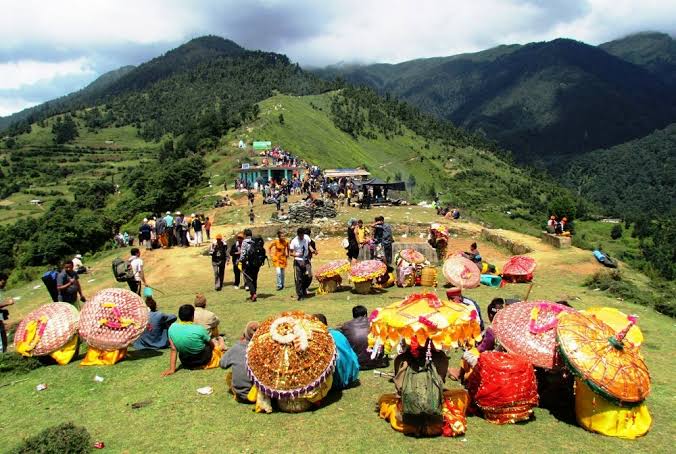
The pilgrimage starts at Nauti (Nautiy) village in Chamoli district, near Karnaprayag—considered Nanda Devi’s maternal home—and covers a 280 km high-altitude trek through remote villages, alpine meadows, forests, glaciers, and ancient trails, culminating at Homkund near Nanda Ghunti peak. The return journey follows a similar path, ending back at Nauti. Key highlights include rituals at high-altitude sites like Bedni Bugyal (scenic meadows), Bedni Kund (sacred lake), Roopkund (Skeleton Lake, or Patar Nachoniya, where legend says dancers were turned to stone by the goddess), and Shila Samudra. The procession is led by a sacred four-horned ram (Chausingha Khadu), carrying the goddess’s palanquin (doli).
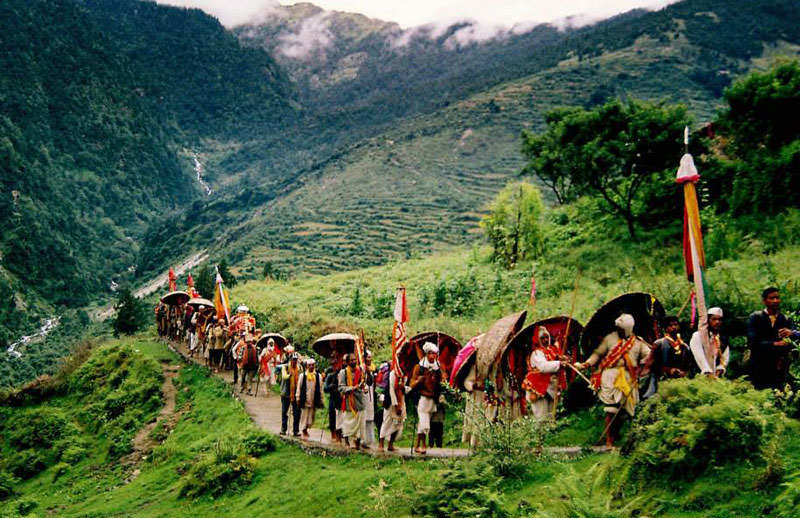
A detailed day-wise itinerary typically spans 19 days:
| Day(s) | From/To Key Locations | Distance (km) | Notes |
|---|---|---|---|
| 1 | Nauti (start with prayers) to Ida Badhani/Kansuwa | 10 | Initial rituals; ram leads the way. |
| 2-3 | Kansuwa to Sem | 12 | Folk prayers and overnight bhajans. |
| 4-5 | Sem to Koti/Bhagoti | 10-12 | Night-long jagar (devotional singing). |
| 6-7 | Bhagoti to Kulsari/Chepdue | 12-10 | Havan for local deities. |
| 8-10 | Nand Kesari to Faldiya/Mundoli/Wan | 8-15 | Scenic climbs; cultural halts. |
| 11-13 | Geroli Patal to Bedni Bugyal/Bedni Kund | 9 | Rituals at the sacred lake; 3-7 day fair with dances. |
| 14-15 | Patar Nachoniya (Roopkund) to Shila Samundra | 5-15 | Coconut offerings; historical site visit. |
| 16 | Shila Samundra to Homkund | Varies | Climax: Ram released toward Kailash; yagna performed. |
| 17-19 | Homkund descent via Chandaniya Ghat/Sutol/Ghat to Nauti | 16-40 | Return celebrations and conclusion. |
Distances and halts may vary slightly based on weather and committee decisions.
Cultural Aspects of Nanda Devi Raj Jat Yatra
The yatra is a vibrant tapestry of Garhwali and Kumaoni traditions, led by the Chausingha Khadu—a rare, divinely chosen four-horned black ram adorned in colorful fabrics, symbolizing Shiva’s messenger and Nanda’s representative. Mythology recounts Nanda’s birth in Nauti to priest Kushan, her marriage proposal via the ram, and her empty palanquin at Homkund signifying merger with Shiva, granting Kushan’s family Rajput status and yatra rights.
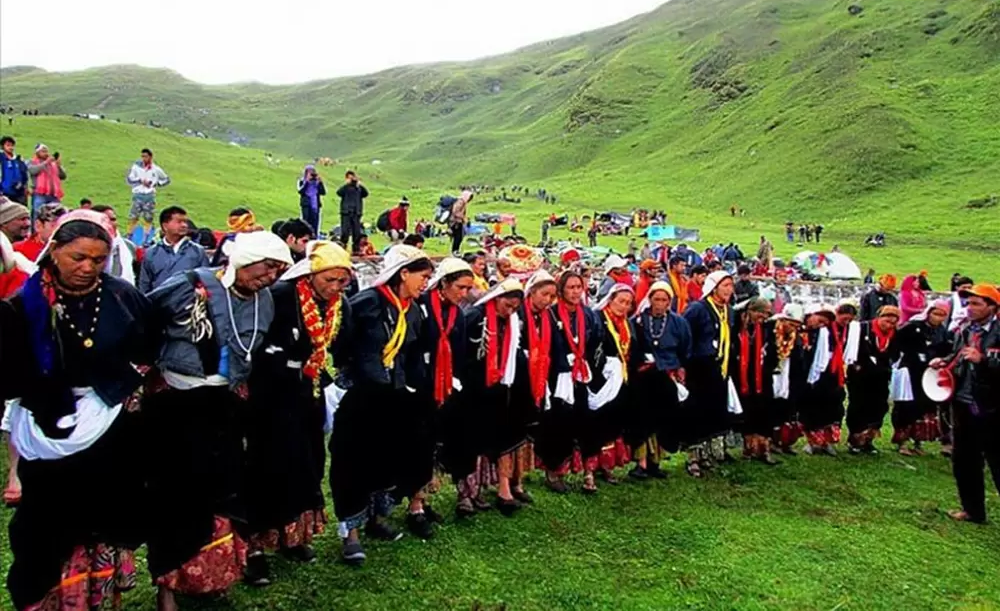
Key rituals include: prayers and flower offerings at Kansuwa, Koti, Kulsari, and Nandkesari; night-long bhajans and jagar at Wan, Koti, and Nauti; havan for Latu Devta at Mundoli; dips in Bedni Kund; fairs at Bedni Bugyal with folk dances and programs; and coconut offerings at Patar Nachauni (where the goddess is said to have danced with Shiva). Folk songs (chantollis) accompany the procession, and the “Uninvited Daughter” legend inspires Nandashtami fairs with banana tree idols in Almora and Nainital. Idols from Kumaon temples join for unity, and the golden Nanda Devi idol is adorned with clothes, jewelry, and sweets at Nauti before departure. The event involves royal families, priests, Brahmins, and elders, turning halts into festivals of dance, music, and devotion.
How to Prepare for the Nanda Devi Raj Jat Yatra?
Preparations span years, involving the Uttarakhand government, tourism departments (under CM Pushkar Singh Dhami and Minister Satpal Maharaj), and local committees for infrastructure like tents, medical posts, toilets, and evacuation helipads. Advance registration is mandatory via UTDB/GMVN portals (opening late 2025), requiring government ID, medical certificates (especially for minors/elderly), and a nominal fee; foreigners need special permits. Physical prep includes cardiovascular fitness for 15-20 km daily walks on rugged terrain up to 5,000m—acclimatize in Chamoli, join guided groups, and hire porters/mules. The Kansuwa prince takes a vow for success. Community roles include collective planning by Nautiyal priests and village chiefs.
Challenges of the Nanda Devi Raj Jat Yatra
The trek is physically demanding with steep climbs, high altitudes (risk of sickness), unpredictable weather (rain, fog, cold nights, snowfall), and remote areas lacking facilities—rely on basic shelters, carried water, and vegetarian meals. Past events faced floods (e.g., 2013 postponement), and crowds at Nauti can cause delays. No mobile signals, limited ATMs, or permanent accommodations; bans on plastics, littering, alcohol, tobacco, non-veg food, and immodest attire enforce discipline. Emotional intensity from the goddess’s “farewell” adds to the rigor.
Travel Tips and Other Relevant Information
How to Reach Nauti:
- Air: Fly to Jolly Grant Airport (Dehradun, 207-215 km), then taxi/bus to Rishikesh (16 km) and onward to Karnaprayag (base, 24 km from Nauti).
- Rail: Trains to Rishikesh/Haridwar/Yog Nagri (191 km), followed by buses/taxis to Chamoli/Karnaprayag/Nauti.
- Road: Direct buses/jeeps from Dehradun ISBT (231 km), Rishikesh (191 km), or Delhi via NH.
Essentials to Pack: Layered warm clothing, rain gear, trekking poles/shoes, sleeping bag/tent, first-aid kit (altitude meds, hydration salts), water bottle, mosquito repellent, modest attire, and cash. Carry minimal luggage; vegetarian diet mandatory.
Accommodation and Support: Tents/dharamshalas at halts with GMVN/NGO-provided meals and medical aid. Join registered tours for safety; inform family of plans. The yatra is open to all Hindus (accompanied minors/elderly allowed); it’s a spiritual adventure, not just a hike—respect customs for blessings.
Conclusion
The Nanda Devi Raj Jat Yatra stands as a timeless testament to Uttarakhand’s spiritual depth, cultural richness, and the unbreakable bond between humanity and the divine Himalayas. Every 12 years, this epic journey not only revives ancient legends but also weaves together communities in a tapestry of devotion, resilience, and celebration. For the 2026 edition, it promises an even grander spectacle, blending tradition with modern preparations to welcome global pilgrims. Whether you’re seeking spiritual enlightenment, an adventurous trek, or a glimpse into living heritage, this yatra offers profound rewards—but demands respect for its sacred ethos. As preparations intensify, stay tuned to official channels for the latest updates, and embark with an open heart to experience the goddess’s eternal grace.
Frequently Asked Questions (FAQs)
When exactly is the Nanda Devi Raj Jat Yatra 2026 scheduled?
The yatra is set for August-September 2026, lasting 19-22 days. Precise dates will be confirmed by the organizing committee and temple authorities by late 2025, aligned with the Hindu lunar calendar. Monitor UTDB or GMVN websites for announcements.
Who can participate in the yatra?
It’s open to all Hindus, including families with accompanied minors and elderly (with medical clearance). Foreigners may join with special permits. Advance registration is mandatory via official portals, and participants must adhere to vegetarian diets and modest dress codes.
Is the yatra physically challenging? How can I prepare?
Yes, it’s a demanding high-altitude trek (up to 5,000m) with 15-20 km daily walks on rugged terrain. Prepare by building cardiovascular fitness, acclimatizing in Chamoli, consulting a doctor for altitude meds, and opting for guided group tours with porters. Avoid if you have severe health issues.
What are the costs involved?
Registration fees are nominal (around ₹500-₹1,000 for Indians; higher for foreigners). Guided tours via GMVN or agencies range from ₹20,000-₹50,000 per person, covering meals, tents, and support. Travel to Nauti adds ₹2,000-₹5,000 from Dehradun. Budget for extras like gear and emergencies.
Are there accommodations and facilities along the route?
Basic tents, dharamshalas, and community shelters at halts, with GMVN/NGO-provided vegetarian meals and medical posts. No luxury options; pack your own sleeping bag and essentials. Mobile signals are spotty—carry offline maps.
What makes the Chausingha Khadu significant?
This sacred four-horned ram is the yatra’s divine messenger, leading the procession as Goddess Nanda’s symbolic escort to Kailash. Chosen by fate, it’s adorned regally and released at Homkund, embodying the myth of Nanda’s marriage proposal.
Can I take photos or videos during the yatra?
Photography is allowed for personal use, but respect sacred sites—drones and flash are prohibited. Commercial filming requires permits from the tourism department.
What happens if the yatra is postponed due to weather or disasters?
Past events (e.g., 2013 floods) have been rescheduled. The committee monitors forecasts; if delayed, refunds or alternatives are provided via official channels. As of November 2025, 2026 preparations are on track.
How does the yatra promote environmental conservation?
Strict no-plastic, no-littering rules; eco-friendly camps and waste management are enforced. It highlights Himalayan biodiversity, encouraging sustainable tourism through awareness campaigns.

Kajal - Content Editor
Welcome to our blog! As the editor, my mission is to provide you with thoughtful, well-researched, and engaging content that educates, inspires, and provides value to your path. Each article is lovingly crafted to provide authenticity, clarity, and relevance, tackling a diverse array of topics that pique interest and provoke meaningful conversation. Our vision is to establish a platform where knowledge is exchanged, ideas thrive, and readers discover content that resonates.". Your suggestions and comments are always welcome—let's continue learning and growing together!


