Why is Triyuginarayan famous for Weddings?
Kajal, 3 months ago, 3 min read, 54 Views

Overview
Nestled in the beautiful Garhwal Himalayas of Uttarakhand, Triyuginarayan Temple is one of the most sacred wedding destinations in India. Unlike luxury resorts and modern banquet venues, this ancient temple offers couples a chance to begin their married life in a place deeply connected to Hindu mythology and divine blessings.
The Sacred Wedding Place of Lord Shiva and Goddess Parvati
The biggest reason couples choose Triyuginarayan Temple is its mythological significance. According to Hindu beliefs, this is the exact place where Lord Shiva and Goddess Parvati got married. Lord Vishnu is believed to have witnessed the ceremony, making the temple a symbol of eternal love and commitment. Couples feel blessed to exchange vows at the same sacred location where one of Hinduism’s most revered divine weddings took place.
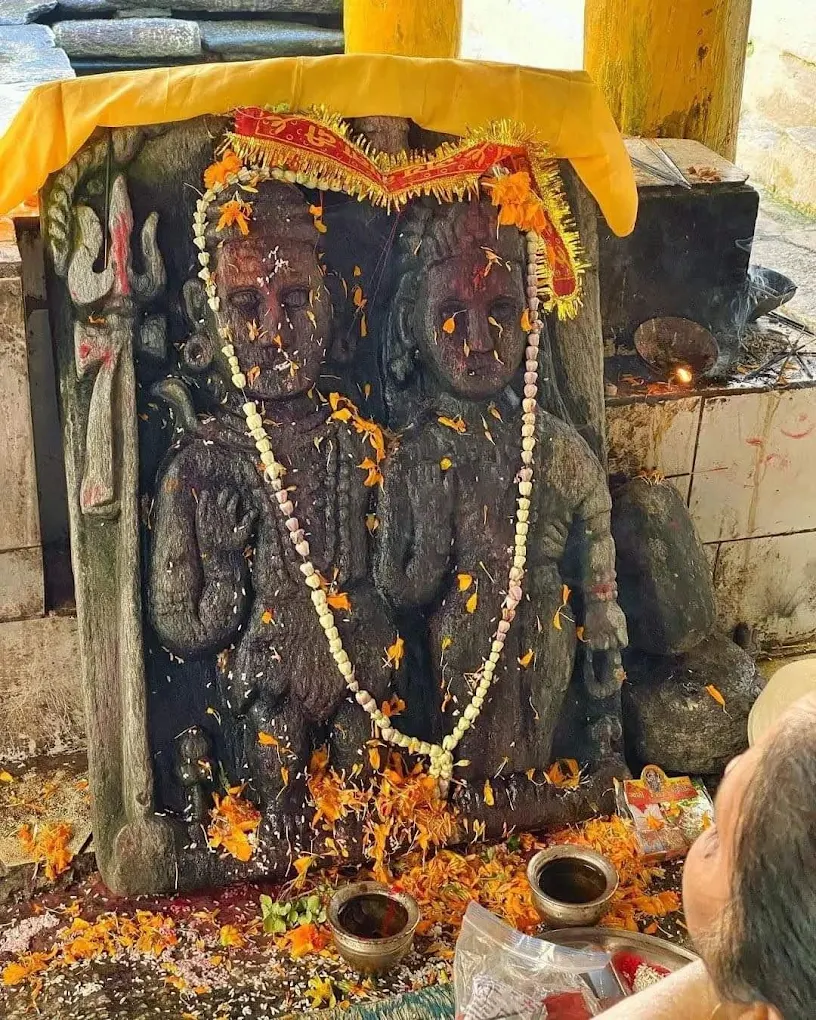
The Eternal Flame That Witnesses Every Marriage
One of the temple’s most fascinating attractions is the Akhand Dhuni, a sacred fire that has been burning continuously for centuries. It is believed that this fire was lit during the wedding of Shiva and Parvati and still burns today. Couples often take blessings from this holy flame and consider it a witness to their marriage, adding a unique spiritual touch to their wedding ceremony.
A Wedding Surrounded by the Beauty of the Himalayas
Triyuginarayan Temple is surrounded by breathtaking mountain landscapes, lush valleys, and fresh Himalayan air. The peaceful environment creates a magical setting for weddings. Unlike crowded city venues, couples can enjoy a serene atmosphere while celebrating one of the most important moments of their lives.
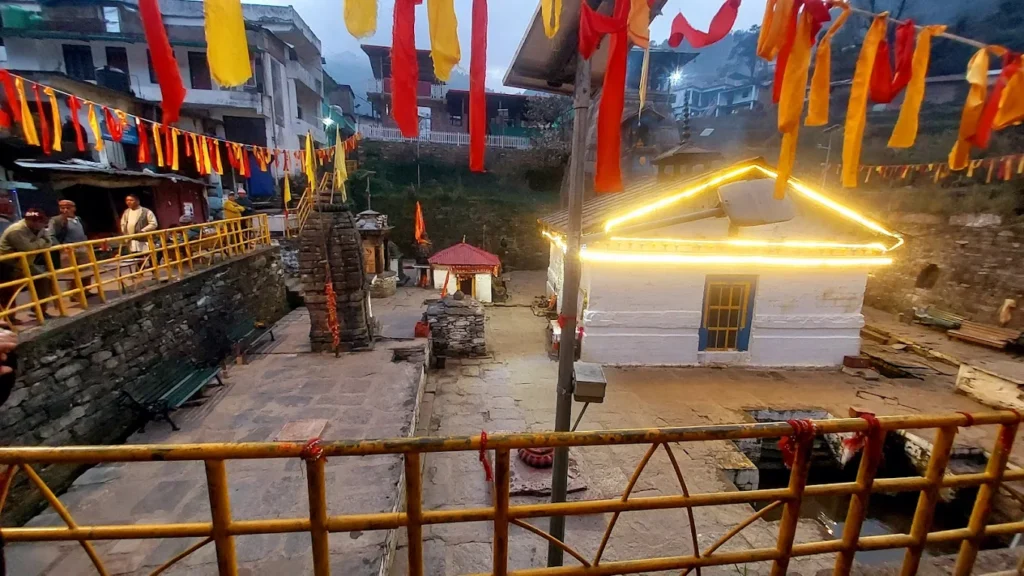
Perfect for Couples Seeking a Spiritual Wedding
Many modern couples are looking for meaningful wedding experiences rather than extravagant celebrations. Triyuginarayan Temple offers a simple yet deeply spiritual environment where the focus remains on traditions, vows, and blessings. This makes the wedding experience more personal and memorable for both the couple and their families.
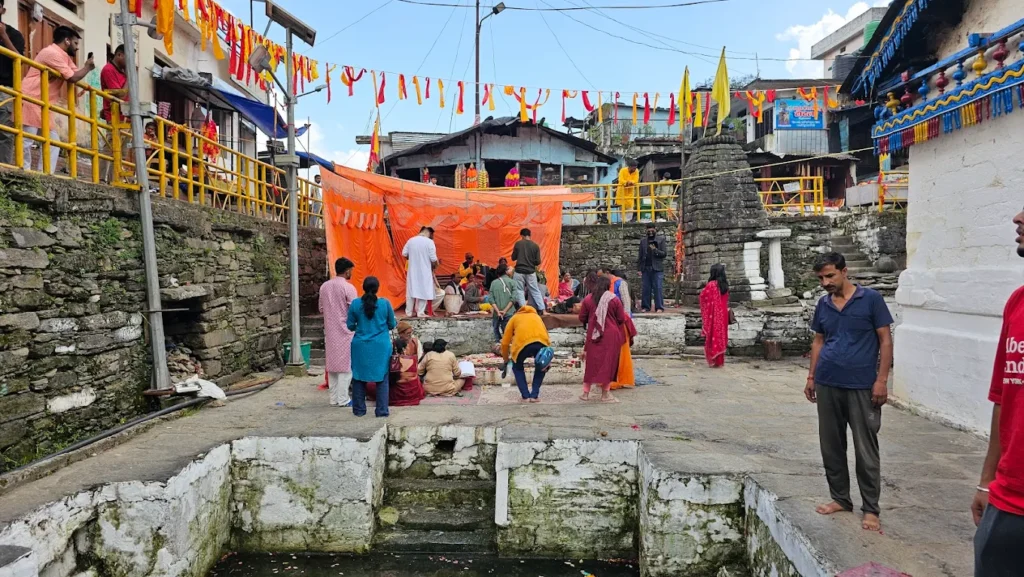
Stunning Wedding Photography Opportunities
The ancient stone temple, traditional architecture, mountain views, and sacred surroundings create extraordinary photography opportunities. Whether it’s capturing wedding rituals, couple portraits, or family moments, every photograph reflects a blend of culture, heritage, and natural beauty.
Rich Traditions and Authentic Hindu Rituals
Weddings at Triyuginarayan Temple are conducted according to traditional Hindu customs. Experienced priests perform sacred rituals that have been followed for generations. This authenticity attracts couples who want their marriage ceremony to stay connected with cultural and religious values.

An Emerging Destination Wedding Venue
Over the past few years, Triyuginarayan Temple has become increasingly popular among destination wedding planners. Couples from across India and even international visitors are choosing this sacred venue because it offers a unique combination of spirituality, history, and natural beauty that few wedding destinations can match.
A Marriage Blessed by History and Faith
Getting married at Triyuginarayan Temple is more than just a ceremony—it’s a spiritual journey. The temple’s divine legacy, sacred fire, and Himalayan surroundings create an unforgettable experience. For couples who want their wedding to be meaningful, traditional, and blessed by centuries of faith, Triyuginarayan Temple remains one of the most extraordinary choices in India.
Frequently Asked Questions
Why is Triyuginarayan Temple famous for weddings?
Triyuginarayan Temple is believed to be the place where Lord Shiva and Goddess Parvati were married, making it one of the most sacred wedding destinations in India.
Can anyone get married at Triyuginarayan Temple?
Yes, couples can organize their marriage ceremony at the temple after completing the required formalities and permissions.
What is the significance of the Akhand Dhuni?
The Akhand Dhuni is an eternal sacred flame believed to have been burning since the divine wedding of Lord Shiva and Goddess Parvati.
What is the best time for a wedding at Triyuginarayan Temple?
March to June and September to November are generally considered the best months due to pleasant weather conditions.
Is Triyuginarayan Temple suitable for destination weddings?
Yes, it is one of Uttarakhand’s most unique destination wedding venues, offering spirituality, history, and scenic Himalayan views.
How far is Triyuginarayan Temple from Kedarnath?
Triyuginarayan Temple is located in Rudraprayag district and is approximately 25–30 kilometers from Sonprayag, the gateway to Kedarnath.

Kajal - Content Editor
Welcome to our blog! As the editor, my mission is to provide you with thoughtful, well-researched, and engaging content that educates, inspires, and provides value to your path. Each article is lovingly crafted to provide authenticity, clarity, and relevance, tackling a diverse array of topics that pique interest and provoke meaningful conversation. Our vision is to establish a platform where knowledge is exchanged, ideas thrive, and readers discover content that resonates.". Your suggestions and comments are always welcome—let's continue learning and growing together!
Fill this easy form


